An ancient botanical from India has captured the global spotlight for its remarkable ability to help the body cope with numerous problems. Ashwagandha is a premier adaptogen, a powerful root that has been a vital part of Ayurvedic medicine for over 3000 years. But what exactly is ashwagandha, and how does it differ from other popular botanicals such as kratom? In this article, we will cover everything you need to know about ashwagandha, modern-day benefits, its history, and other important considerations.
What is Ashwagandha?
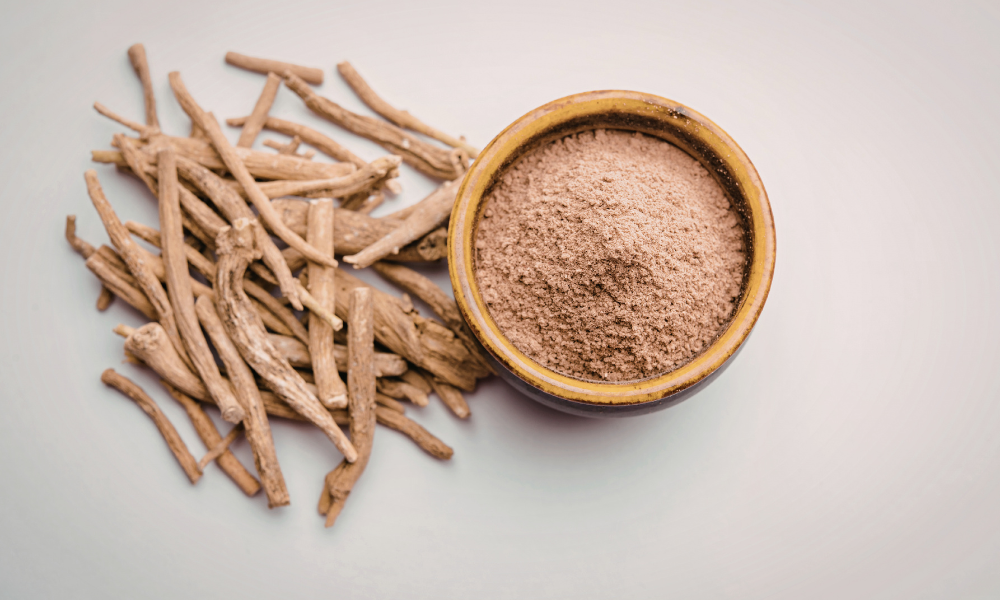
Ashwagandha is a small shrub with yellow flowers. It is native to India and North Africa. The name ashwagandha comes from Sanskrit, which means the smell of the horse. This unique earthy aroma is combined with the traditional belief that consuming this herb will provide you with the strength and vitality of a horse. Ashwagandha root and berries have numerous medicinal properties, and they are classified as an adaptogen. This herb helps the body maintain balance and resist the physical and mental effects of stress.
A Brief History of Ashwagandha
Ayurveda is the world’s oldest holistic healing system, with numerous roots and herbs. Ashwagandha’s history is also deeply rooted in Ayurveda. For millennia, it has been revered as a “Rasayana,” a rejuvenating tonic believed to promote longevity, vitality, and overall health. Traditionally, it was used to strengthen the immune system after illness. It also improves energy and stamina. Ashwagandha has been used to enhance mental clarity and cognitive function; it also supports a healthy sleep cycle. Its enduring use for thousands of years is a testament to its perceived value in supporting human health and resilience.
Benefits of Ashwagandha
Ayurvedic practitioners’ long-known knowledge is also being used and validated by modern science. The benefits of ashwagandha are largely linked to moderating the body’s stress response. Below are some common benefits of ashwagandha.
1. Stress and Anxiety Reduction
Ashwagandha has been used to lower the body’s cortisol levels, which is the primary stress hormone. This herb is mostly celebrated for this benefit, as it helps reduce feelings of anxiety and promotes a greater sense of calm.
2. Improved Sleep Quality
Ashwagandha improves your sleep quality by calming the nervous system, quieting a racing mind, and making you fall asleep more easily. It also improves overall sleep quality.
3. Enhanced Cognitive Function
Ayurvedic studies show that ashwagandha improves memory, reaction time, and the ability to perform cognitive tasks. It improves your brain cell health and reduces brain fog, which is often associated with stress.
4. Boosted Energy and Physical Performance
Unlike other popular stimulants, ashwagandha does not provide a direct jolt of energy. It works slowly but effectively to improve the body’s resilience to stress, which can lead to increased stamina, strength, and exercise performance.
5. Hormonal Balance
Ashwagandha is known to support thyroid function. It helps balance testosterone levels in men, contributing to improving reproductive health and vitality.
Potential Side Effects of Ashwagandha
Ashwagandha is generally well tolerated by most consumers; however, when used inappropriately, it can cause mild stomach ache, diarrhoea, and drowsiness, especially when taken in higher doses.
Pregnant or breastfeeding women should not take ashwagandha. It is not beneficial for individuals with autoimmune diseases such as rheumatoid arthritis and lupus. If you have any autoimmune disease, you must consult a doctor before consuming ashwagandha, as it may stimulate the immune system. Ashwagandha can potentially interact with medications for thyroid, blood sugar, and blood pressure.
Ashwagandha vs. Kratom: A Critical Comparison
Ashwagandha and Kratom are both beneficial botanicals. Here is a quick comparison table of two fundamentally different substances:
| Feature | Ashwagandha | Kratom |
| Classification | Adaptogen Herb | Psychoactive Botanical |
| Primary Use | Reduce stress, improve sleep, support balance. | Energy, mood lift, pain relief (dose-dependent). |
| Mechanism | Modulates stress response (HPA axis); non-psychoactive. | Binds to opioid receptors in the brain; psychoactive. |
| Risk of Dependence | None. | Yes, with regular use. |
| Legality | Widely legal and sold as a supplement. | Legally complex; banned in several states and countries. |
Ashwagandha is a gentle supplement for long-term wellness. It is a non-habit-forming herb. Kratom is a potent psychoactive substance that has more prominent effects on mood and energy, carrying a risk of dependence.
Conclusion:
Ashwagandha is a time-tested adaptogen that helps the body manage stress, improve sleep, and enhance cognitive function. Ashwagandha is best used daily to build your body’s resilience over time. Be aware of potential side effects and consult a healthcare provider if you have specific health conditions or are on medication.
More Readings: